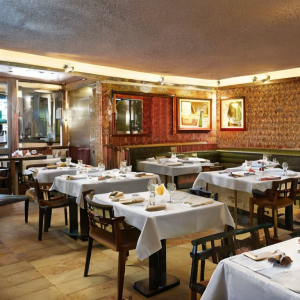
Conversation, ESL, # restaurant, staff, worker,
Learning English as a second language (ESL) can be a valuable skill for individuals working in the restaurant industry, particularly for staff and workers who interact directly with customers.
Effective communication is essential in providing quality customer service and creating a positive experience for guests.
In this article, we’ll explore some of the key English language skills and vocabulary that can help restaurant staff and workers improve their ability to communicate with customers and colleagues, as well as some tips for practicing and improving their language proficiency.
Restaurant Vocabulary
Worker Hierarchy
- Head Chef: The person in charge of the kitchen and responsible for creating and executing the menu.
- Sous Chef: The second-in-command in the kitchen, responsible for managing the kitchen and assisting the head chef.
- Line Cook: The person responsible for preparing food on the line during service.
- Prep Cook: The person responsible for preparing food items in advance, such as chopping vegetables or marinating meats.
- Dishwasher: The person responsible for washing dishes and keeping the kitchen clean.
- Server: The person responsible for taking orders and serving food to customers.
- Bartender: The person responsible for preparing and serving drinks at the bar.
- Host/Hostess: The person responsible for greeting customers, taking reservations, and seating customers.
- Busser: The person responsible for clearing tables, resetting tables, and assisting servers.
- Expeditor: The person responsible for coordinating the timing of dishes and ensuring they are prepared correctly before they are served to customers.
- Sommelier: The person responsible for managing the restaurant’s wine program and assisting customers with wine selection.
- Pastry Chef: The person responsible for creating and executing the dessert menu.
- General Assistant: A worker who assists in various tasks, such as cleaning and food preparation, as needed.
Popular Dishes
Here are popular dishes at restaurants with their meanings:
- Steak: A cut of beef that is grilled or cooked on a skillet and usually served with sides such as mashed potatoes and vegetables.
- Burger: A sandwich consisting of a grilled or fried ground beef patty, often served with cheese and toppings like lettuce, tomato, and onion, between two buns.
- Pizza: A dish consisting of a dough base topped with tomato sauce, cheese, and various toppings such as vegetables, meats, and herbs.
- Sushi: A Japanese dish consisting of bite-sized pieces of raw or cooked fish, rice, and vegetables, often served with soy sauce and wasabi.
- Tacos: A Mexican dish consisting of a tortilla filled with various ingredients such as meat, cheese, lettuce, and salsa.
- Fried chicken: Chicken that has been breaded and fried, often served with sides like mashed potatoes and gravy or coleslaw.
- Pasta: A dish made from various types of noodles, typically served with a sauce such as tomato, cream, or pesto and toppings like meat, vegetables, and cheese.
- Fish and chips: A British dish consisting of battered and fried fish and deep-fried potatoes.
- Ramen: A Japanese dish consisting of noodles served in a soup broth with various toppings such as meat, vegetables, and egg.
- Pad Thai: A Thai dish consisting of stir-fried noodles, vegetables, and meat or shrimp in a sweet and spicy sauce.
- Pho: A Vietnamese soup consisting of rice noodles, broth, meat, and herbs, often served with lime and chili sauce.
- Curry: A dish consisting of a spicy sauce with various ingredients such as meat, vegetables, and rice.
- Kebab: A Middle Eastern dish consisting of grilled or roasted meat on a skewer, often served with vegetables and rice or bread.
- Biryani: An Indian dish consisting of spiced rice cooked with meat or vegetables, often served with raita or chutney.
- Falafel: A Middle Eastern dish consisting of deep-fried balls or patties made from ground chickpeas, often served in a pita bread with vegetables and sauce.
- Shawarma: A Middle Eastern dish consisting of roasted meat (usually chicken or lamb) sliced and served in a wrap with vegetables and sauce.
- Dim sum: A Chinese dish consisting of small portions of steamed or fried dumplings, buns, and other savory snacks.
- Sashimi: A Japanese dish consisting of thinly sliced raw fish, often served with soy sauce and wasabi.
- Lobster: A type of shellfish that is often boiled or grilled and served with melted butter or other sauces.
- Risotto: An Italian dish consisting of rice cooked in broth with various ingredients such as cheese, vegetables, and seafood.
Popular Drinks
Here popular drinks you may find at a restaurant, along with their meanings:
- Soda – a carbonated soft drink, usually with a sweet flavor
- Lemonade – a sweetened, lemon-flavored drink made with water, lemon juice, and sugar
- Iced tea – a cold tea beverage served with ice
- Coffee – a hot or iced beverage made by brewing ground coffee beans with water
- Espresso – a strong, concentrated coffee made by forcing steam through finely ground coffee beans
- Cappuccino – a type of coffee made with espresso and steamed milk, topped with foamed milk
- Latte – a type of coffee made with espresso and steamed milk, often flavored with syrups or spices
- Mocha – a type of coffee made with espresso and chocolate syrup, often topped with whipped cream
- Hot chocolate – a sweet, chocolate-flavored drink made with milk and cocoa powder or chocolate chips
- Tea – a hot beverage made by steeping tea leaves in hot water, often served with milk and sugar
- Herbal tea – a hot beverage made from herbs or plants steeped in hot water, often used for medicinal purposes
- Juice – a sweet beverage made from fruits or vegetables, often served chilled
- Lemon-lime soda – a carbonated soft drink with a lemon-lime flavor
- Ginger ale – a carbonated soft drink with a ginger flavor
- Tonic water – a carbonated beverage flavored with quinine and often used as a mixer for cocktails
- Red wine – an alcoholic beverage made from fermented red grapes
- White wine – an alcoholic beverage made from fermented white grapes
- Beer – an alcoholic beverage made from fermented grains, usually barley or wheat
- Cocktails – mixed alcoholic drinks made from one or more types of liquor, mixed with juices, syrups, bitters, or other flavorings.
Utensils
Here are utensils you may find at a restaurant, along with their meanings:
- Fork – a utensil with prongs used for picking up and eating food
- Spoon – a utensil with a small bowl-shaped end used for scooping and eating food
- Knife – a utensil with a sharp blade used for cutting and slicing food
- Salad fork – a smaller fork with shorter tines used for eating salad
- Salad spoon – a spoon with a larger, wider bowl-shaped end used for serving salad
- Dinner plate – a large, flat dish used for serving the main course of a meal
- Salad plate – a smaller plate used for serving salads or appetizers
- Soup bowl – a bowl with a wider opening and deeper sides used for serving soup
- Bread plate – a smaller plate used for serving bread or rolls
- Butter knife – a small knife with a blunt blade used for spreading butter or other spreads onto bread
- Steak knife – a knife with a sharp, serrated blade used for cutting meat, particularly steak
- Dessert spoon – a smaller spoon used for eating dessert, often with a wider bowl-shaped end
- Dessert fork – a smaller fork used for eating dessert
- Coffee cup – a small cup used for serving coffee or other hot beverages
- Saucer – a small, shallow dish used to hold a cup or glass
- Wine glass – a tall, stemmed glass used for serving wine
- Water glass – a tall, straight-sided glass used for serving water
- Champagne flute – a tall, narrow glass with a long stem used for serving champagne or other sparkling wine
- Martini glass – a stemmed glass with a wide, cone-shaped bowl used for serving martinis and other cocktails
- Shot glass – a small glass used for serving small amounts of liquor or spirits.
Equipment
Here are equipment you may find in a restaurant setting, along with their meanings:
- Oven – a heated chamber used for cooking or baking food
- Stove – a cooking appliance with burners or heating elements used for cooking food on pots and pans
- Grill – a device used for cooking food over an open flame or heat source
- Fryer – a deep cooking vessel used for frying food in hot oil
- Refrigerator – a cooling appliance used for storing perishable food and drinks at low temperatures
- Freezer – a cooling appliance used for freezing food and keeping it frozen until needed
- Dishwasher – a machine used for washing dishes and utensils
- Microwave – a device that uses electromagnetic waves to heat or cook food quickly
- Blender – a kitchen appliance used for blending, pureeing, or crushing food and liquids
- Food processor – a kitchen appliance used for chopping, slicing, grating, and pureeing food
- Mixer – a kitchen appliance used for mixing ingredients together, such as for making dough or batter
- Coffee maker – a machine used for brewing coffee
- Espresso machine – a machine used for making espresso and other coffee drinks
- Ice machine – a machine used for producing ice, often used for drinks
- Toaster – a device used for toasting bread or other bread products
- Food warmer – a device used for keeping food at a consistent temperature before serving
- Slicer – a machine or tool used for slicing meat, cheese, or other foods thinly and evenly
- Can opener – a tool used for opening cans of food
- Corkscrew – a tool used for opening bottles of wine or other beverages with corks
- Serving tray – a flat, sturdy tray used for carrying food and drinks from the kitchen to the table.
Payment
Here are vocabulary related to payment at a restaurant, along with their meanings:
- Bill – the total amount owed for the food and drinks consumed at the restaurant
- Check – the written or printed document that lists the items ordered and the corresponding prices
- Tip – an amount of money given to the server as a gratuity for their service
- Gratuity – a payment made to the server as a gesture of appreciation for their service
- Service charge – a fee added to the bill to cover the cost of service provided by the restaurant
- Tax – a percentage of the bill added by the government as a sales tax
- Split the bill – to divide the total bill among a group of people
- Credit card – a plastic card used for making electronic payments
- Debit card – a plastic card linked to a bank account used for making electronic payments
- Cash – physical currency used for making payments
- Contactless payment – a payment method that uses electronic devices, such as a mobile phone or smartwatch, to make payment without physical contact with the payment terminal
- Signature – a handwritten signature required for verification of payment
- PIN – a personal identification number required for verification of payment
- Authorization – the process of verifying and approving a payment transaction
- Payment terminal – a device used for processing electronic payments
- Receipt – a written or printed record of the payment transaction
- Loyalty program – a reward system offered by the restaurant to encourage customers to return and dine with them again
- Gift card – a prepaid card given as a gift that can be used as payment at the restaurant
- Voucher – a document or coupon that can be redeemed for a discount or free item
- Refund – the return of money to the customer for an unsatisfactory experience or incorrect billing.
Taking Order
Here are vocabulary related to taking orders at a restaurant, along with their meanings:
- Menu – a list of food and drink options offered by the restaurant
- Specials – dishes or drinks that are featured or promoted for a limited time
- Appetizer – a small dish served before the main course to stimulate the appetite
- Entree/Main course – the main dish of the meal, usually a protein with sides
- Side dish – a smaller dish served alongside the main dish
- Dessert – a sweet dish served after the main course
- Beverage – a drink, such as water, soda, or alcohol, served with the meal
- Wine list – a menu of wines offered by the restaurant, often organized by type and region
- Cocktails – mixed alcoholic drinks served at the bar or table
- Mocktails – non-alcoholic mixed drinks served at the bar or table
- Allergies – dietary restrictions or food allergies that must be taken into consideration when ordering
- Vegan – a plant-based diet with no animal products
- Vegetarian – a diet that includes plant-based foods but excludes meat and sometimes other animal products
- Gluten-free – a diet that excludes gluten, a protein found in wheat, barley, and rye
- Kosher – food that meets Jewish dietary laws
- Halal – food that meets Muslim dietary laws
- Order – the act of requesting a particular dish or drink from the menu
- Special request – a request made by the customer for a change or modification to a dish or drink
- Table number – the identification number assigned to a particular table in the restaurant
- Server – the person taking the order and serving the food and drinks.
Restaurant Area
Here are some common vocabulary terms for different rooms and areas within a restaurant:
- Dining room: The main area where customers are seated and served their meals.
- Bar area: A separate area for customers to sit and order drinks, typically with a bartender on duty.
- Kitchen: The area where food is prepared and cooked.
- Host stand: The area near the entrance of the restaurant where the host/hostess greets and seats customers.
- Waiting area: A designated area for customers to wait for their table to be ready.
- Private dining room: A separate room or area within the restaurant for private events or parties.
- Patio/Outdoor seating: An area outside of the restaurant where customers can dine or drink.
- Restroom/Bathroom: The area where customers can use the facilities.
- Coat check: A designated area where customers can leave their coats or other personal items.
- Wine cellar: A room or area within the restaurant where wine is stored and aged.
- Office: The area where the restaurant manager or owner works and manages the business.
- Storage room: A room where supplies, ingredients, and equipment are stored.
- Dishwashing area: The area where dirty dishes and utensils are washed and sanitized.
- Prep area: A designated area in the kitchen where food is prepped and ingredients are measured and cut.
- Employee break room: A designated area for restaurant staff to take breaks and relax.
- Walk-in cooler: A large refrigerated storage area used to keep food fresh.
- Delivery area: The area where deliveries are received and handled by restaurant staff.
- Drive-thru: A designated area outside the restaurant where customers can order and pick up their food without leaving their car.
- Takeout counter: The area where customers can pick up their food orders to-go.
- Buffet area: A designated area where customers can serve themselves from a selection of pre-prepared dishes.
Cooking Methods
Here are some common vocabulary terms for cooking methods used in restaurants:
- Grilling: Cooking food on a grate over an open flame or heat source.
- Roasting: Cooking food in an oven, usually uncovered, with dry heat.
- Baking: Cooking food in an oven with dry heat, usually covered.
- Frying: Cooking food in hot oil or fat, usually in a pan or deep fryer.
- Sauteing: Cooking food quickly in a small amount of hot oil or fat over high heat.
- Boiling: Cooking food in boiling water or liquid.
- Steaming: Cooking food over boiling water or liquid, usually in a steamer basket or pot.
- Poaching: Cooking food gently in liquid that is just below boiling point.
- Broiling: Cooking food with direct heat from an overhead source, such as a grill or oven broiler.
- Braising: Cooking food slowly in a covered pot or dish with a small amount of liquid.
- Searing: Quickly cooking food at high temperature to form a crust on the surface.
- Smoking: Cooking food over wood chips or charcoal to infuse flavor.
- Sous-vide: Cooking food in a vacuum-sealed bag in a temperature-controlled water bath.
- Stir-frying: Cooking food quickly in a small amount of hot oil or fat over high heat while constantly stirring.
- Curing: Preserving food with salt, sugar, and/or other seasonings.
- Marinating: Soaking food in a seasoned liquid to add flavor and/or tenderize the meat.
- Griddling: Cooking food on a flat, heated surface, such as a griddle or flat-top grill.
- Charbroiling: Cooking food over an open flame, often with a charred or smoky flavor.
- Rotisserie: Cooking food on a rotating spit over an open flame or heat source.
- Deep-frying: Cooking food in hot oil or fat with a deep fryer, usually until crispy.
Restaurant Phrases
Greetings
Here are common phrases for greeting new customers at a restaurant:
- “Good [morning/afternoon/evening], and welcome to our restaurant!”
- “Thank you for choosing us today! How may I assist you?”
- “Hi there! Is this your first time dining with us?”
- “Hello, and welcome! Have you dined with us before?”
- “Good to see you! Are you celebrating any special occasion today?”
- “Hi, welcome! How many are in your party?”
- “Hello! Would you like me to show you to your table?”
- “Welcome back! Have you decided what you’d like to order today?”
- “Good [morning/afternoon/evening]! It’s great to have you here. Can I start you off with something to drink?”
- “Hi there! Do you have a reservation or would you like to be seated now?”
- “Welcome, and thank you for joining us! Can I get you started with an appetizer or would you like to order entrees right away?”
- “Hello, and thank you for coming in today! Is there a particular cuisine you’re in the mood for?”
- “Good [morning/afternoon/evening]! Our specials today are [insert dishes], would you like to hear about them?”
- “Hi, welcome! Are you interested in our wine or cocktail menu?”
- “Hello! Is there anything in particular you’re looking for, or would you like me to recommend something?”
- “Welcome to our restaurant! Are you familiar with our menu or would you like some help choosing?”
- “Hi there! We’re excited to have you dine with us. Can I start you off with a complimentary bread basket or some olives?”
- “Good [morning/afternoon/evening]! We’re glad you’re here. Do you have any dietary restrictions or food allergies we should be aware of?”
- “Hello, and welcome to our restaurant! We have some fantastic daily specials, would you like to hear about them?”
- “Hi there! Thank you for joining us today. Can I help you with anything, or would you like some time to look at the menu?”
Taking Order
Here are common phrases for taking orders at a restaurant:
- “What can I get for you today?”
- “Are you ready to order, or do you need a few more minutes to look at the menu?”
- “May I take your order now?”
- “Can I start you off with an appetizer or drink before your meal?”
- “Would you like to hear about our specials for today?”
- “Are you interested in any of our signature dishes or customer favorites?”
- “How would you like your steak cooked?”
- “Do you have any dietary restrictions or food allergies I should be aware of?”
- “Would you like any sides or add-ons with your meal?”
- “What dressing would you like on your salad?”
- “Can I get you anything else with that, like extra sauce or cheese?”
- “Is there anything you’d like to customize or substitute in your order?”
- “Would you like your sandwich toasted or untoasted?”
- “What kind of sauce would you like with your wings?”
- “Do you want your pizza cut into slices or squares?”
- “Would you like any dessert or coffee after your meal?”
- “Can I get you some bread or rolls with your entree?”
- “What type of pasta would you like with your sauce?”
- “Would you like any spice or seasoning on your dish?”
- “Is there anything else I can get for you, or does your order look good?”
When giving a customer something
Here are polite phrases to use when giving a customer something they have asked for at a restaurant:
- “Here you are, sir/ma’am. Enjoy!”
- “Certainly, here’s your [menu/salt and pepper].”
- “My pleasure. Please let me know if you need anything else.”
- “Of course, here’s what you requested. Can I assist you with anything else?”
- “Here you go! Is there anything else I can help you with?”
- “Absolutely, I’ll bring that right over. Please let me know if you need anything else.”
- “Here’s your [menu/salt and pepper]. Thank you for dining with us today.”
- “Here’s what you asked for. If you need anything else, don’t hesitate to ask.”
- “Certainly, here’s your [menu/salt and pepper]. Enjoy your meal!”
- “Here you are, sir/ma’am. Is there anything else I can help you with?”
When customer should wait
Here are polite phrases to use at a restaurant when customer should wait:
- “I apologize, but we are currently experiencing a high volume of customers. Your table will be ready shortly.”
- “Thank you for your patience. Our kitchen is working hard to prepare your meal as quickly as possible.”
- “I apologize for the delay. Your food will be ready soon. Is there anything I can get for you while you wait?”
- “I’m sorry, but we are fully booked at the moment. Would you mind waiting for a few minutes until a table becomes available?”
- “I apologize for the inconvenience. We are doing our best to accommodate all of our guests as quickly as possible.”
- “Thank you for your understanding. We are currently experiencing a slight delay in the kitchen, but your food will be out soon.”
- “I apologize, but your food will take a few more minutes to prepare. Can I offer you a complimentary drink or appetizer in the meantime?”
- “I apologize for the wait. Our staff is doing their best to provide excellent service to all of our customers.”
- “I’m sorry, but we have a large number of orders ahead of yours. Your food will be ready as soon as possible.”
- “Thank you for your patience. We appreciate your understanding during this busy time.”
Pickup the bill
Here are common phrases at a restaurant when the staff offers to bring you the check after you finish your meal:
- “Are you ready for the check?”
- “Would you like me to bring the check over for you?”
- “Can I get you the check or anything else to finish up your meal?”
- “Would you like to pay now or wait a little longer?”
- “Shall I bring the check or would you like anything else?”
- “Are you ready to settle up for the meal?”
- “May I offer you the check, or would you like dessert or coffee first?”
- “Can I get you anything else before I bring over the check?”
- “Would you like to see the dessert menu or would you like me to bring the check over now?”
- “Are you ready to finish up or would you like to take your time?”
- “May I offer you the check or would you like to have another drink first?”
- “Can I get you the check or would you like to order anything else before you leave?”
- “Would you like the check now or would you like to wait a few more minutes?”
- “Can I offer you the check or would you like some more time to relax?”
- “Are you ready to pay or would you like me to bring you another round of drinks?”
- “Would you like to settle up or would you like me to bring you some coffee or tea?”
- “Can I get you the check now or would you like to finish your conversation first?”
- “Would you like me to bring the check over now or would you like to order some dessert?”
- “Are you ready to settle up or would you like to relax a bit longer?”
- “May I offer you the check or would you like to order another drink before you go?”
Dealing with complaint
Here are polite phrases at a restaurant for dealing with complaints:
- “I am sorry to hear that. Let me see how we can resolve this issue for you.”
- “Thank you for bringing this to our attention. We take all feedback seriously.”
- “I apologize for any inconvenience caused. How can we make it right for you?”
- “Please accept my sincere apologies. Let me offer you a complimentary [dish/drink] to make up for the issue.”
- “I’m sorry that you had a bad experience. Can you please tell me more about what happened?”
- “Thank you for letting us know. We will do our best to ensure that this does not happen again.”
- “I completely understand how you feel. Let’s see how we can make this right for you.”
- “I apologize for the mistake. Let me fix it for you right away.”
- “I’m so sorry to hear that. Let me make it up to you by offering a discount on your bill.”
- “I’m sorry that we fell short of your expectations. Can you please give me a moment to make it right?”
- “I apologize for the inconvenience. Let me make sure that we get it right for you this time.”
- “I understand that this has caused frustration for you. Please let me know how we can fix it for you.”
- “Thank you for bringing this to our attention. We will do everything we can to resolve this issue for you.”
- “I’m sorry that we did not meet your expectations. Let’s see how we can make things better.”
- “I apologize for any inconvenience caused. Please let me know how we can make it right for you.”
- “I completely understand why you’re upset. Let’s work together to find a solution.”
- “I’m sorry that this happened. Let me do everything I can to make it right for you.”
- “Thank you for letting us know about the issue. We will do everything we can to prevent it from happening again.”
- “I’m sorry that your experience did not meet your expectations. Let’s see how we can improve it for you.”
- “I apologize for any discomfort caused. Please let me know how we can make things better for you.”
Clearing unused place setting
Here are some polite ways to clear unused utensils:
- “May I clear your unused plates and utensils, sir/ma’am?”
- “Is it okay if I remove these extra plates and silverware?”
- “I see you’re finished with these extra utensils. Would you like me to take them away?”
- “Let me clear away these extra plates so you have more room.”
- “May I remove these unused items from your table to clear some space?”
- “Shall I take away these extra settings for you?”
- “Can I clear these additional dishes and cutlery for you, sir/ma’am?”
- “Would you like me to take away these unused plates and utensils, or would you like to keep them?”
- “I’ll go ahead and remove these unused plates and utensils for you, if that’s okay.”
- “Allow me to clear these unused items to make more space for your meal.”
Taking reservation via phone
Here are common phrases at a restaurant for taking reservations via phone:
- “Thank you for calling [restaurant name], how can I assist you?”
- “Good [morning/afternoon/evening], [restaurant name], may I take your reservation?”
- “What date and time would you like to reserve a table for?”
- “How many people will be in your party for the reservation?”
- “Can I get your name and phone number for the reservation?”
- “Would you prefer indoor or outdoor seating for your reservation?”
- “Are there any specific dietary restrictions or special requests for your reservation?”
- “May I ask for your email address to confirm your reservation?”
- “Is there a specific occasion for your reservation?”
- “Can I get a credit card number to hold the reservation?”
- “What type of cuisine would you like to experience for your reservation?”
- “Would you prefer a table by the window or in a more private area for your reservation?”
- “Is there a specific server you would like to request for your reservation?”
- “Are there any time constraints for your reservation, such as needing to leave by a certain time?”
- “Do you have any preferences for the table location for your reservation?”
- “May I offer you any special promotions or deals for your reservation?”
- “Would you like to add any special requests or decorations for your reservation?”
- “What is the occasion for your reservation, if any?”
- “Are there any specific menu items you would like to request for your reservation?”
- “Thank you for choosing [restaurant name]. We look forward to welcoming you for your reservation.”